2026-10-15 ·
What El Toro Residents Should Do After a Pipe Burst in Older Homes
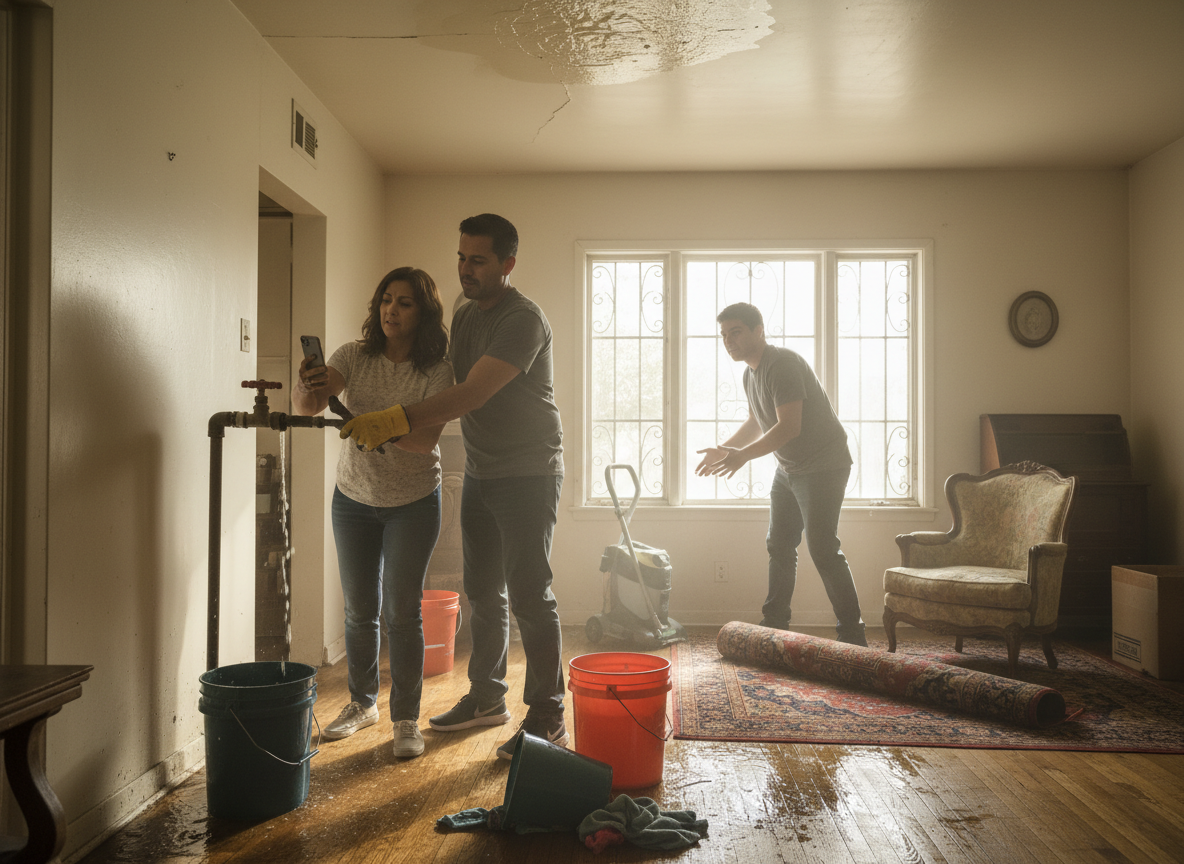
Shut off the main water valve at the street or meter immediately, then call a 24/7 restoration crew serving the 23591 El Toro Rd area to begin water removal before drywall and subfloors in 1960s-1970s homes absorb more volume.
Shut Off Water and Ensure Safety
Locate the main shutoff outside the home or at the meter box near the street in El Toro neighborhoods such as Heritage Hill and Parkwood. Older galvanized lines common in Lake Forest homes built before 1975 often corrode from the inside, so turning the valve stops additional flow that could reach 10–20 gallons per minute from a 3/4-inch supply line. Evacuate if electrical outlets near the leak show signs of water contact, and avoid standing water on tile or hardwood that can hide structural weaknesses in crawl spaces typical of the area. Document the scene with photos from multiple angles before any cleanup begins so insurance adjusters see the exact spread across affected rooms.
Locate and Isolate the Burst
Trace the leak to the affected section by checking under sinks, behind washing machines, or along ceiling joists where supply lines run in single-story ranch homes common throughout El Toro. Many properties in The Village and Doria still rely on original copper or galvanized pipe that reaches 40–60 years old, making pinhole failures frequent during winter pressure changes. Once isolated, open nearby faucets on the same line to drain residual pressure and reduce the chance of further splits. Homeowners should never attempt soldering repairs themselves on aged lines because vibration from the work can crack nearby joints in the same wall cavity.
Call for Professional Water Extraction
Contact a team offering water leak restoration and water damage mitigation that operates 24 hours from the Lake Forest base at 23591 El Toro Rd. These crews bring truck-mounted extractors capable of removing standing water from carpet pads and subfloors within the first hour, which prevents saturation of particleboard cabinet bases found in many Parkwood kitchens. Technicians also use moisture meters to map hidden dampness behind baseboards and under vinyl in bathrooms where older homes lack modern vapor barriers. Delaying extraction by even a few hours allows water to wick upward into drywall up to 18 inches, requiring larger cuts during later repairs.
Dry and Monitor Affected Materials
Industrial air movers and dehumidifiers must run continuously for 3–5 days on average in El Toro’s mild climate to bring wood moisture content below 12 percent. Crews place sensors in multiple rooms because the flat terrain and slab-on-grade construction in Lake Forest Isles allow water to travel laterally under flooring toward adjacent bedrooms. Homeowners can track progress by checking that no musty odor returns after equipment is removed. For properties near Tuscania where soil retains moisture longer, additional drying time under cabinets prevents hidden rot in sill plates.
Address Secondary Mold Risks
Pipe bursts in older El Toro homes often leave residual moisture in insulation and behind tubs, conditions that support mold colonies within 48–72 hours. Readers concerned about long-term growth should review Preventing Mold Growth in El Toro Garages After Roof Leaks for parallel strategies that apply to interior leaks as well. Professional remediation includes HEPA vacuuming of affected cavities and application of antimicrobial solutions on framing lumber. Skipping this step allows spores to migrate through HVAC returns common in single-story homes throughout the area.