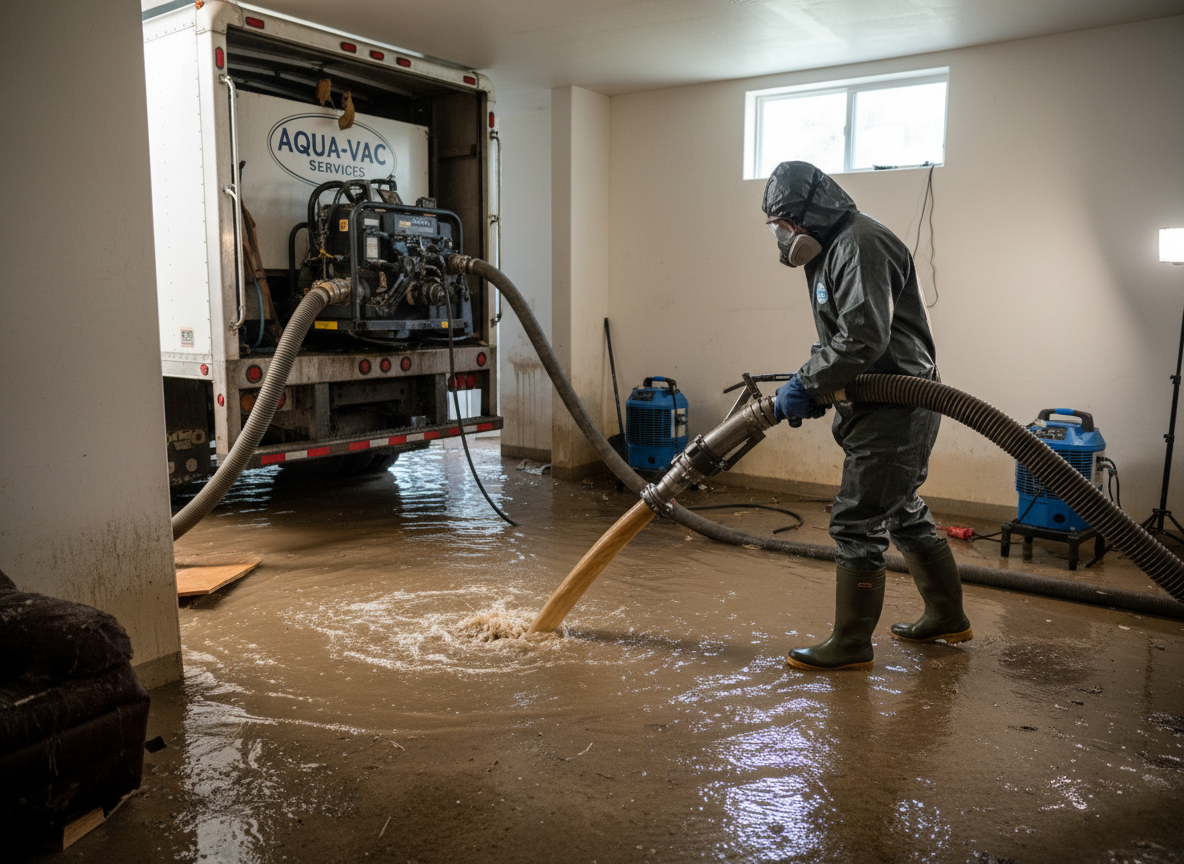
Rapid water extraction starts with locating the source and isolating affected zones to stop further spread. In El Toro homes, many built on concrete slabs from the 1960s onward, water often travels under flooring and into wall cavities before it becomes visible. We use portable extraction units and moisture meters to pull water from carpet pads, hardwood seams, and subfloor layers without unnecessary demolition at the outset.
Edge cases common here include water migrating toward lower elevations along the slight slopes near the old El Toro Marine base area and into attached garages. Hardwood floors can cup quickly in our dry climate once moisture levels spike, while vinyl and laminate trap water underneath. We document hidden moisture readings in multiple rooms and run air movers at low angles to pull vapor from under cabinets and toe-kicks before mold sets in.
Once bulk water is removed we verify dryness with thermal imaging and pin meters, then advise on whether baseboards or sections of flooring need removal for airflow. Orange County homes in this zip code often share plumbing walls with neighbors in townhomes, so we check for cross-unit migration before equipment is packed up. This prevents callbacks when seasonal rains return.
Homeowners sometimes stop extraction too early once surface water disappears, leaving residual moisture in the slab or behind drywall that later causes odor or buckling. We leave equipment running until readings match unaffected areas and provide a written drying log for insurance documentation.
Technician insight
In El Toro, the thing that catches most people out with Rapid water extraction is how water travels under 1970s slab foundations along the El Toro Rd corridor after even moderate rain. Homeowners see a dry-looking floor and think the job is done, but moisture wicks back up through the concrete and ruins flooring weeks later if we do not keep extraction running until pin readings hit baseline.
Kitchen leak under slab
A pipe joint failed under a 1978 Lake Forest kitchen floor near El Toro Rd. Water had already reached the family room carpet and traveled under the slab edge. We extracted standing water, ran low-angle air movers under cabinets for three days, and confirmed slab moisture returned to normal before stopping. No flooring replacement was needed.
How it works
- 1
On-site assessment
We arrive, identify the water source, map affected rooms, and check for hidden moisture in slabs and walls common to El Toro construction.
- 2
Containment setup
Plastic barriers and negative air are placed to keep water from migrating into unaffected areas such as hallways or attached garages.
- 3
Bulk extraction
Portable pumps and wands remove standing water from carpets, pads, and hard surfaces before it soaks deeper into subfloors.
- 4
Drying verification
Moisture meters and thermal cameras confirm dryness levels; equipment stays until readings match dry zones.
Pricing
Upfront quotes after inspection; cost driven by water volume, number of rooms, and whether slab or wall cavities require extra drying time.